
Are you confused whether to follow-up with your neurology appointments or not? You’re not the only one. Various people have a perspective that after diagnosis of Alzheimer’s disease there’s no need to continue clinical sessions. This may pop up in your head as there’s no significant cure for Alzheimer’s.
You should follow-up the neurology appointments for Alzheimer’s disease as it can help you manage the ailment. Discussing your conditions with your doctor will provide you with more treatment options.
Let’s dive in and learn more about why to continue clinical meetings.
Reasons To Follow-up With Neurologist
Here are the reasons why you should never miss your neurology appointments after diagnosis of Alzheimer’s disease.
1- Detailed Identification
The neurologists can help you in detailed identification of Alzheimer’s symptoms and stages. Accurate diagnosis is mandatory as Alzheimer’s disease is a progressive disease. The right diagnosis helps you get the precise treatment at the right time. The clinical trials also have specific groups to be appointed.
If your doctor has an accurate diagnosis, you don’t need to have all the medications or therapies prescribed to you at first. So, you should never miss your neurology appointments.
2- Imaging Analysis
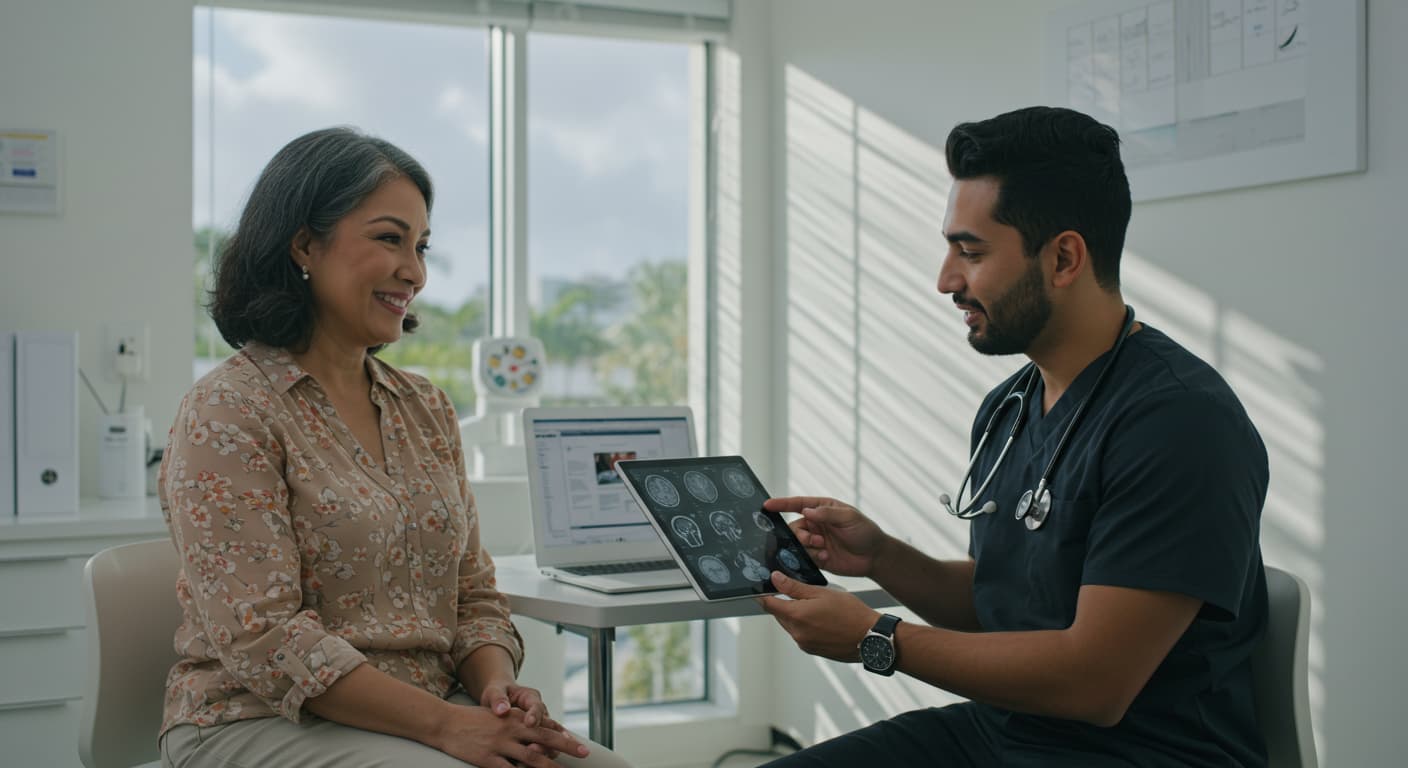
Understating imaging scans are not a piece of cake. Your expert has the knowledge to understand the anatomy of the brain more precisely than anyone else. The MRI or PET scans for Alzheimer’s disease should be brought to a neurology meeting so that the doctor can make things more clear to you physically.
You might be thinking about sending the scans via phone to the neurologist. Smart thought but it’s not reliable for such sensitive analysis like Alzheimer’s disease. In the clinical meeting, your doctor can explain things to you while watching the scans.
3- Treatment Alternatives
Another reason that pushes you to follow-up neurology meetings is the treatment alternatives. As you know, Alzheimer’s disease is a progressive illness so it’s important to see whether the current treatment is working for you or not. If you stay home and keep using the initial medication for Alzheimer’s, it may worsen the condition.
The symptoms should be continuously re-evaluated to give you the right treatment. The neurology appointments analyse the symptoms and alter the medications according to the ailment demands.
You might be asked for therapies to reduce stress or behavioural changes during Alzheimer’s disease.
4- Guidance Of Care
A lot of people believe that the first doctor will be a call away so why to discuss Alzheimer’s disease with neurologist? Let’s make it clear for you. Neurologists are the experts who can easily identify the changes in cognitive symptoms in your body. When you follow-up your neurology meetings, you will be in continuous supervision of what to do and what to eliminate in your daily life.
The continuity in guidance of care is crucial for every Alzheimer’s disease patient. The expert will also observe the minor issues and tell you either it’s due to dementia or any other ailments. Hence, never miss neurology appointments if you or your loved one is suffering from Alzheimer’s.
5- Prognosis
Prognosis is as important as the medications in Alzheimer’s disease. Dementia is a progressive illness which needs a regular evaluation of its stages. Having a prognosis, the likely course of ailment and what to expect, helps you and your family to plan the future before it’s too late.
Attending the clinical meetings with neurologists will allow you to know more about your Alzheimer’s and plan things differently for your life. Sitting on a couch without forecasting the condition of Alzheimer’s disease is like blindly walking on a crowded road.
So, following up to neurology appointments is important for both of you and your family.
6- Advanced Care Planning
Alzheimer’s disease comes with a lot of insecurities regarding financial and legal planning. Being aware of what your future can be helps you plan the upcoming days better. When you’re regularly seeing your neurologists, you can discuss your life goals with them.
As Alzheimer’s develops, you or your loved ones will not be able to handle financial or legal stuff accurately. The expert will help you to plan financial, emotional, and legal decisions efficiently. With follow-ups, you can deal with Alzheimer’s disease comfortably without stressing about various things.
7- Safety
The last and the most important reason behind follow-up is your own safety. Attending meetings with neurologists can tell you the dos and don’ts of your daily life activities. Alzheimer’s disease stops you from many outdoor activities as they may lead you to danger. For instance, if you’re suffering from Alzheimer’s and still driving carelessly, it can be hazardous for you.
Likewise, aspiration pneumonia is also a risk because various patients with Alzheimer’s disease lose the throat muscles control. You can discuss these issues with your neurologists to seek help.
Your doctor will also be keeping an eye on your regular activities during clinical sessions. You will be given therapies and medications to cope with any arising conditions along with dementia.
8-Supporting Family and Caregivers
Caregivers play an important role in taking care of people with Alzheimer’s disease. They often face many emotional and physical challenges. During follow-up visits, neurologists will provide helpful advice to caregivers. They will suggest ways to handle changes in behavior, provide tips for making the home safer, and point caregivers to support groups or resources that can help them.
Your neurologist will also teach the family of patient about how the disease progresses, so they know what to expect at each stage. This information can help reduce worry, improve communication, and create a more supportive environment for both the person with Alzheimer’s and their caregiver.

What to Expect During a Neurology Appointment?
Various people with Alzheimer’s disease avoid neurology appointments because they don’t know what to expect there. Here is a quick update on what you will experience during a clinical session.
- Medical history discussion: The first thing you will be asked is medical history. The neurologist will discuss your medical history regarding symptoms of Alzheimer’s disease. You might be asked about your family’s medical history to estimate the reason behind your ailment.
- Physical examination: Next step will be your physical examination. It includes the assessment of your sensation, coordination, reflexes, and muscle strength.
- Diagnosis: If the neurologist suspects something unusual in your ailment, they will conduct a few diagnosis tests like MRI, CT scan, etc.
- Education: After the diagnosis and physical examination, the neurologist will educate you about your Alzheimer’s disease or the ways to handle your symptoms.
Bottom Line
Now, you have all the reasons why Alzheimer’s disease patients have to follow-up neurology appointments. You can share these with your loved one or someone you know suffering from dementia. Neurologists play a mandatory role in managing the symptoms of Alzheimer’s as there’s no specific treatment.
By staying consistent with your appointments at Neurology One, you can ensure the best possible care for you or your loved one. So don’t wait—schedule your next appointment today at Neurology One and manage your Alzheimer’s with expert guidance and support.


