

Diagnosis of dementia can be heart-wrenching for you, but you can still deal with it.
If you have been diagnosed with Alzheimer’s disease, the basic element is never to lose hope. You can deal with this ailment with proper knowledge and support. In this writing, you’ll get crucial steps to cope with dementia.
Here you go.
How To Deal With Your Sentiments Initially

Hearing your diagnosis of Alzheimer’s disease can be life-changing for you. You’ll be going through a lot of emotions at once. These emotions include
- Depression
- Anger
- Denial
- Isolation
- Fear
And many more, but you should never lose hope. Only you can tackle your emotions in the right way. Here are a few tips to support you in fixing these sentiments.
- Accept your diagnosis and move forward toward treatment.
- Write down your thoughts in a diary.
- Convey your emotions to your best friend or a family member.
- Look for a professional like Neurology One experts.
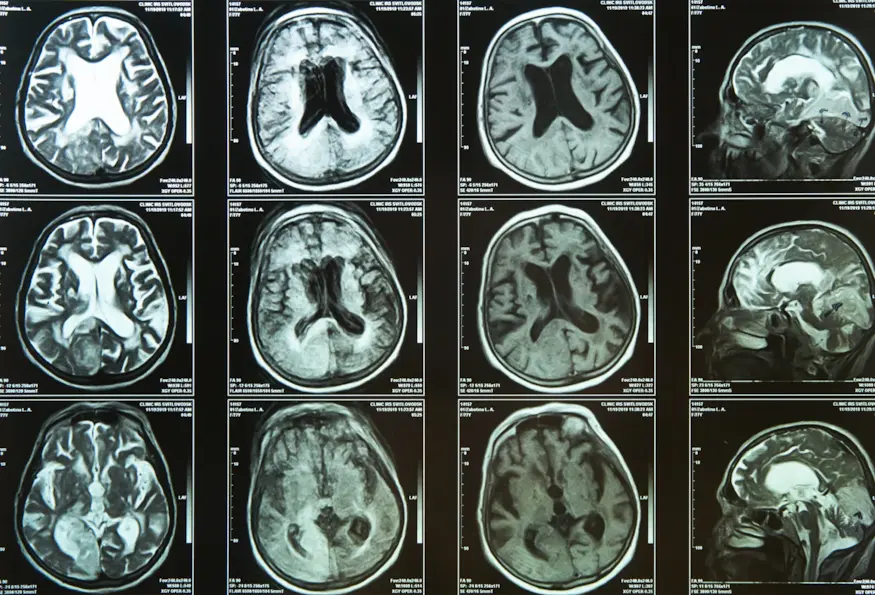
Steps To Take After Alzheimer’s Disease Diagnosis
Here are a few tactics to help you cope with dementia.
1- Educate Yourself About Ailment
The first step after diagnosis is to educate yourself about Alzheimer’s disease. You have to explore the symptoms, causes, and stages of dementia to prepare yourself for treatment.You can also visit Neurology One or contact them to learn more about your disorder.
Educating about Alzheimer’s disease is useful both for people living with it and those caring for them, and offers many advantages .
- Better understanding of disease can help you take control of your disease.
- Allows caregivers to provide additional and better care, improve communication with healthcare professionals, and communicate more efficiently and effectively during emergencies.
- Online education resources as well as support groups can provide invaluable information and emotional support regarding Alzheimer’s disease, making caregivers and individuals feel less isolated.
- Enhancing your knowledge about disease will ultimately boost the standard of living for the caregiver as well as the person suffering from the disease.
2- Medications
Most patients with Alzheimer’s disease forget to take their medicines on time. If you’re going through the same situation, get yourself a pillbox now.
The pillbox will remind you to take your medicine on time daily. You can purchase pillboxes from any online or physical store. Smartphones can also be used as a drug reminder while fighting Alzheimer’s disease. Pre-set alarms helps in reminding you to take medicine on time.
Similarly, medication reminder apps help elderly people and those suffering from chronic ailments like Alzheimer’s disease to take their medicines on time. Patients appreciate getting reminders from an app. This aids them in remembering to take their medications.

3- Future & Financial Planning
Future planning might feel unnecessary, but it is an essential step in coping with Alzheimer’s disease. Dementia will lead you to progressive memory loss. So, you must make some financial decisions to continue your health care.
You should make the important documents and discuss them before it’s too late.
Let’s have a look at vital financial papers after diagnosis of Alzheimer’s disease.
- Living Trust: A living trust makes a trustee who’ll manage all the financial affairs after you. He/she will be responsible for distributing property and funds when you will be no longer available.
- A Will: A Will is the most crucial document when it comes to financial planning. A will illustrates how your financial holdings including money, property,etc will be allotted after your death. It may also include funeral arrangements depending on your choice.
- Durable Power Of Attorney: Durable power of attorney gives financial rights to someone who'll be dealing with your finances in your inavailability.
You should always choose honest and trustful persons for your financial authorities.
A living trust makes a trustee who’ll manage all the financial affairs after you. Meanwhile, your Will will be a proof of property distribution when you are no longer there.
4- Exercise
Another vital suggestion to stay robust is exercise. Sitting all day on your couch will make your ailment more hazardous. Research has proven that physical exercise reduces the risk of developing dementia by around 28% and lowers the chance of Alzheimer’s by 45%.
You can adapt exercise in your routine to fight Alzheimer’s disease. Let’s explore some workouts that will keep you fresh and healthy.
- Walk
- Gardening
- Dancing
Yoga can also be helpful in coping with Alzheimer’s disease. Hence, you’re free to choose the exercise that is suitable for your body. It will make you more confident and physically fit. Exercise will improve the blood supply to your brain, which ultimately improves the steady supply of oxygen and nutrients.

5- Socialize Yourself
Socializing during Alzheimer’s disease will give you enough confidence to speak around people. The best way to socialize is to find similar people who are fighting dementia. Sharing experiences will make you aware and more clear about your treatment. You can also find qualified counsellors and neurologists in Orlando.
Here are some ways to socialize yourself:
- Find a hobby where you can meet new people, such as volunteering at a nonprofit organization. Doing activities that you like makes conversation easier if you're new to an area.
- Join a recreational team, participate in community events, or sign up for classes to meet new people and keep your brain active. This will make it easier to interact with other people. Doing activities together can keep your brain sharp while providing opportunities to socialize yourself.
- Spending quality time with loved ones, remembering fond memories shared, and engaging in activities together will also help.
- Start by smiling at those you see in public spaces and saying greetings. Next, you can begin to make small talk by asking questions or observing.
6- Organized Environment
Organizing your day will help you remember daily chores without skipping any crucial tasks. The following are some tips:
Keep all the essential stuff including keys, smartphones, laptops, etc, at the same place so you can find them easily.
- Set your expenses to automatic payments so you don’t have to worry about bill deadlines anymore.
- Use labels on drawers and cabinets for easy access to belongings.
- Make a list of medicines on a notepad and keep at secure place.
- Further, you can use smartphones or calendars to write your to-do list and organize your routine.
7- Consult Neurologists Regularly
After being diagnosed with Alzheimer’s disease, it’s vital that you speak to a neurologist on a regular basis. They can offer invaluable support and advice throughout your journey. Here’s why it’s so essential:
- Neurologists can help you to understand how Alzheimer's disease changes over time and what might happen next.
- By having regular check-ups with them, healthcare providers can assess how you're doing and change any treatments if necessary.
- Healthcare professionals are there to offer support when you feel down or overwhelmed due to Alzheimer's disease.
- Furthermore, if someone else is caring for you - like family or a close friend - then your doctor can also advise them on how they can take better care.
- Regular appointments enable you and your neurologists to collaborate on creating a plan modified specifically to your needs.
- Your doctor can also connect you to groups and programs, that offer additional support while teaching you more about Alzheimer's disease.
By maintaining a good relationships with healthcare professionals, you can learn valuable information, obtain assistance when required, and gain more confidence when managing Alzheimer’s.
You may like to plan a visit to Neurology One! Here, you will find the best Neurologists in Orlando who will help you understand your disease after diagnosis.
Final Verdict
To conclude, if you have been diagnosed with Alzheimer’s disease, you should accept this at first. Further, you’ll communicate with your family and friends openly. Then follow the above-given steps to fight Alzheimer’s. Remember to consult with your neurologist regularly, as they can provide valuable guidance, monitor symptoms, and adjust treatments as needed.


