

Migraine headache involves pulsating or throbbing pain in your head. You will feel pain in your temples, behind one or both of your eyes and in the forehead or neck. It usually develops in only one side of the head. You will also experience nausea, vomiting and will be very sensitive to light and sound.
A migraine tends to last for several hours or even days, and it is very difficult for an individual to carry out his/her daily activities.
The Migraine Research Foundation provides information that, over 39 million people in the United States have migraines. And you know what? Out of these 39 million, only 5% have been diagnosed and treated accurately.
Signs and Symptoms of Migraine
Migraine involves different phases, and every phase has different symptoms.
1.Early phase
Warning symptoms start up to 24 hours before a migraine attack.
Symptoms include:
- Changes in appetite
- Drowsiness
- Mood fluctuations
- Dysphasia (difficulty in finding the right words to speak)
- Changes in behaviour
- Sensitivity to light and sound
2.Aura phase
- Bright zigzag lines
- Flashing lights
- Blind spots
- Difficulty focusing
3.Headache phase
- The headache can persist for a duration of 4 to 72 hours
- Pain affecting one side of the head can vary from mild to severe, often experienced as throbbing.
- Any physical activity, like climbing stairs, can worsen the pain.
- Nausea and vomiting
- Osmophobia (sensitivity to smell)
- Photophobia (sensitivity to light)
- Phonophobia (sensitivity to noise)
4.Recovery phase
- Drowsiness
- Nausea
- Fatigue
- Continued sensitivity to sound and noise
Types of Migraine

There are different types of migraines. Your doctor at Neurology One will diagnose better that which type of migraine you have and will provide you treatment according to your type.
Hemiplegic migraine
Status migraine
Menstrual migraine
Silent migraine
In Silent migraine, you will not experience any head pain. But other symptoms like nausea, light and sound sensitivity, dizziness, and visual disturbances will be present. Consult your neurologist at Neurology One if you think you have a silent migraine.
Vestibular migraine
This type of migraine involves repeated vertigo. You will experience balance problems because of dizziness. Feelings like confusion, and disorientation will be present. Some patients will feel like they are rocking in a boat.
Abdominal migraine

Migraine Frequency
Your doctor will diagnose better whether you are suffering from episodic or chronic migraine. It usually depends upon the frequency of symptoms and some other factors.
Episodic Migraine
This happens less than 15 days in a month. The duration of pain will be less than 24 hours.
High-frequency Episodic Migraine
Chronic Migraine
It occurs at least 15 or more days in a month for a span of 3 months or longer. Pain duration will be more than 24 hours.
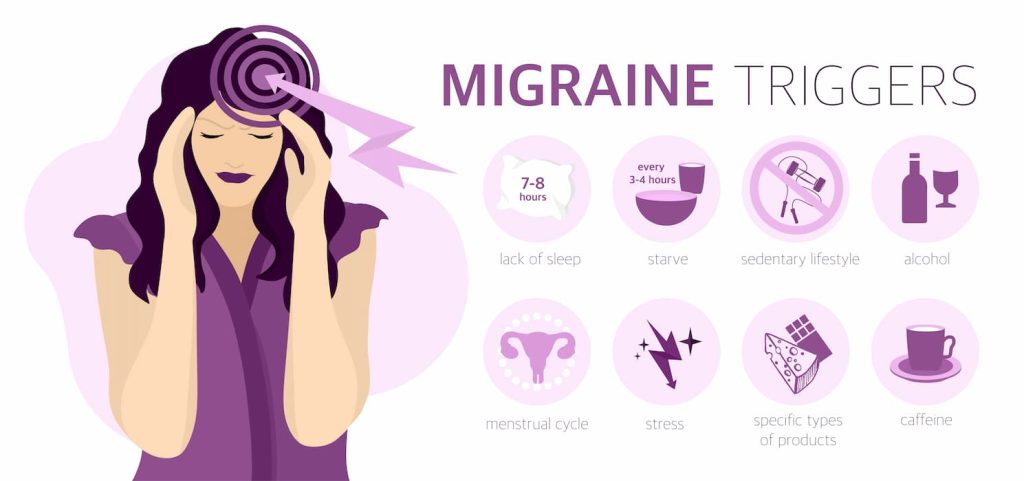
Causes and Triggers of Migraine
1-Hormone changes
Women are three times more likely to develop migraine as compared to men. Around 75% of women notice that they get migraines when their menstrual periods are going to start i.e menstrual migraine. This happens due to changes in hormone levels ( estrogen and progesterone).
How to manage: There are some birth control methods to cope with menstrual migraines. This will stabilize hormone levels. You can consult with a neurologist for a suitable treatment plan.
2-Smell
There are some smells which can activate nerve receptors present in your nose. This will then trigger and worsen your migraine. Many people with migraines have sensitivity to different kinds of odors e.g
- Cigarette smoke
- Gasoline
- Paint thinner
- Car exhaust
- Cleaning products
- Perfumes
How to Manage: You should avoid strong scents, some food smells, chemicals, or gasoline that will trigger your migraine. In your home, office and working areas, let people know about your condition and politely ask them not to wear perfumes or colognes with strong smells.
3-Skipping meals
Skipping meals can lower your blood sugar, which may lead to migraines and other symptoms. Skipping a regular meal is a 57% probable factor of migraine.
How to manage: When you have a busy day, pack some snacks in your bag. Keep your blood sugar level stable, even when you can’t sit for a full meal. Avoid skipping meals.
4-Changes in weather
Changes in weather like storms, extreme heat, and shifts in atmospheric pressure can also trigger migraines. High humidity and heat often cause dehydration, which is another common cause of migraines.
How to manage: We can’t change the weather conditions. Try to stay indoors when weather is not good for your migraine. You can adjust your schedule according to weather changes.
5-Stress
Stress is one of the main triggers for migraines and affects 70% of people. One study found that between 50%-70% of patients get migraines when their stress levels increase.
How to manage: To cope with stress, you have to identify and reduce your triggers. There are some techniques that can help you manage your stress level and decrease its impact on migraine. These are:
- Biofeedback
- Relaxation therapy
- Meditation
- Exercise
- Consistent sleep
6-Foods
Some foods may trigger migraine in individuals who suffer from this condition. Foods that cause these headaches are:
- Foods containing Monosodium glutamate (MSG)
- Frozen foods
- Fermented foods
- Artificial sweeteners
Other 5 C's that stimulate migraines are:
- Foods containing Monosodium glutamate (MSG)
- Frozen foods
- Fermented foods
- Artificial sweeteners

Stages Of Migraine

1-Prodrome (Preheadache stage)
This is the warning stage. A day or two before a migraine, you might start to feel some changes. e.g
- You could get constipated
- Feel your mood swing from happy to sad
- want specific foods
- have a stiff neck
- Feel really thirsty
- Need to use the bathroom more, or even yawn a lot.
These are the little hints that a migraine might be coming.
2-Aura
Aura are certain feelings that usually happen 10-30 minutes before the migraine actually starts. On the basis of aura migraine is divided into two types.
- Migraine with Aura
- Migraine without Aura
Although not everyone will experience this stage. About 25% of people with migraines will experience aura. It presents various symptoms that affect the nervous system e.g.:
- changes to vision (such as dark spots or colors, sparkles, stars or zigzag lines)
- numbness
- tingling sensations
- weakness in parts of the body
3-Headache Attack
A migraine can last anywhere from four hours to up to three days. This duration will differ from person to person and depend upon treatment and how often they get migraines. Some people get them rarely, while others might have them several times a month.
When you have a migraine, you might experience:
- Pain on one side of your head, but sometimes it can be on both sides.
- Throbbing or pulsing pain.
- Sensitivity to light, sound, and sometimes even smells and touch.
- Nausea and vomiting.
4- Post-drome
After a migraine, you might feel really tired, confused, and worn out for up to a day. Some people even feel surprisingly happy. Moving your head quickly could make the pain come back for a short time.
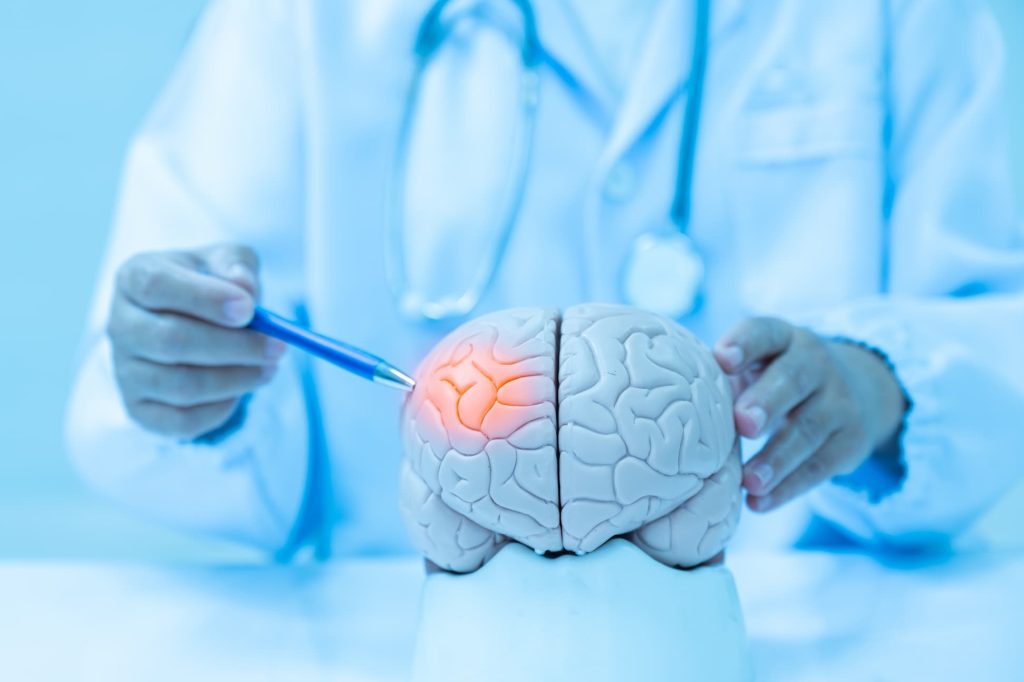
Migraine vs Headache
So, if you’ve got this intense pain on one side of your head, plus nausea and a strong dislike for bright lights or loud sounds that last for hours or even days, it’s likely a migraine. But if you’re experiencing a milder, more pressing pain on both sides without those other symptoms, then it’s probably just a regular headache.
Key Differences
Feature
Headache
Migraine
Pain Location
Both sides of the head
One side of the head
Pain Quality
Dull ache or pressure
Intense, throbbing pain
Duration
Lasts from 5 minutes to several hours
Lasts from 4 hours to 3 days
Associated Symptoms
Rarely includes nausea or light sensitivity
Often includes nausea, vomiting, and sensitivity to light/sound
Triggers
Stress, poor posture, dehydration
Hormonal changes, certain foods, lack of sleep
Treatment Approaches
over-the-counter pain relievers like ibuprofen or acetaminophen.
Require prescription medications
Risk Factors of Migraine Disease
Age
Migraines may develop at any age, but they usually first occur in adolescence, peak during your 30s, and decrease in both frequency and intensity as you age. Many women find that these headaches end after menopause.
Sex
Research published in JAMA found that migraines occur about three times more in women than in men. Some females experience ist migraine attacks when their menstrual cycle starts.
Hormonal changes in Ovulation, menstruation, pregnancy and menopause affect migraines. About 50-60% of women mostly experience menstrual migraine. This is because of a decrease in their estrogen level.
Family History
Migraines run in families. Four out of five people with migraine have relatives who get migraines as well. You’re 50% more likely to develop migraine if just one of your parents has them. If both parents are affected, the risk is 75%.
Management and Treatment of Migraine
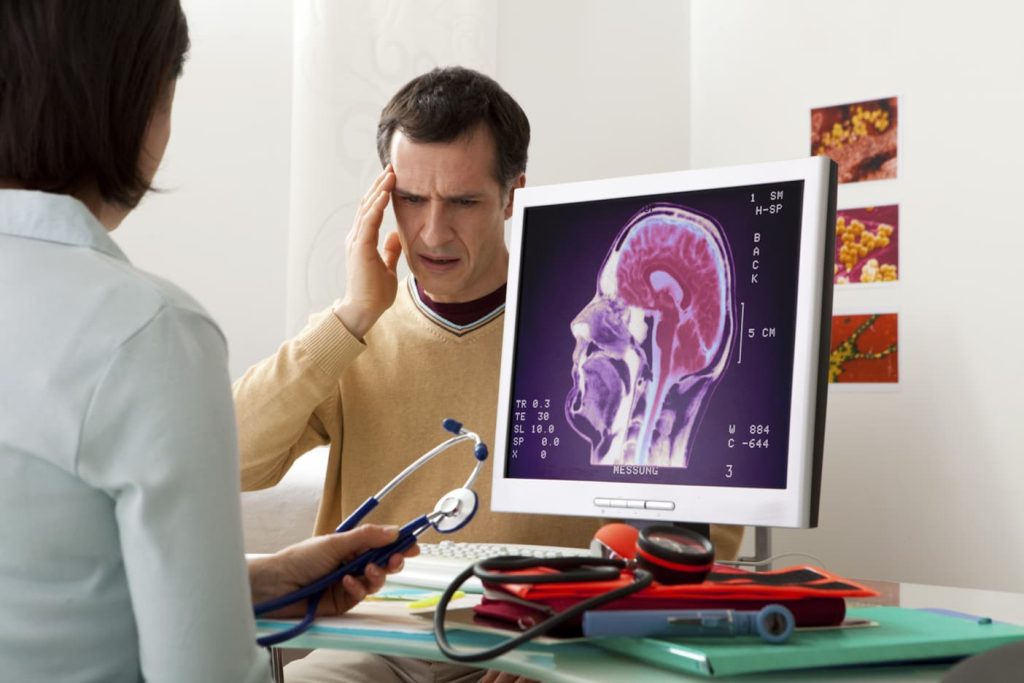
Managing and treating migraines involves a combination of strategies to reduce the frequency, severity, and impact of attacks
Medication Treatment
1. Medicines to Stop Migraine
Painkillers
Some of the non-prescription drugs used to relieve mild to moderate migraine pain include; Ibuprofen, aspirin or acetaminophen. These nonprescription drugs are taken to reduce inflammation and pain during the attack.
Medicines for nausea and vomiting
For those who have nausea and vomiting along with a migraine, there are special drugs that will control your symptoms.
Triptans
Triptans are prescription migraine medicines which are also used for migraine treatment. They actually constrict blood vessels in your brain and ease your symptoms. Your doctor at Neurology One knows better that which medicine will work best to treat your migraine.

2. Medicines to Prevent Migraine (prophylactic)
Medications to prevent migraines are prescribed based on the frequency and severity of your attacks. Common options include beta-blockers, antiepileptic drugs, antidepressants etc.
Your doctor at Neurology One will determine which medication suits you, as they will consider your medical history, other conditions, and potential side effects.
Additionally, lifestyle adjustments and trigger management often work hand-in-hand with these treatments.
Always consult your doctor to find the most effective and safe preventive strategy for you.
Avoiding migraine triggers
Avoiding migraine triggers helps you a lot. Avoid triggers like stress, lack of sleep, certain foods like caffeine or processed meats, and environmental factors like bright lights or strong odors.
Keeping a migraine diary can help identify personal triggers and patterns. Once identified, reducing or avoiding these triggers can decrease the frequency and severity of migraines.
Alternative migraine remedies
Practices like acupuncture, yoga, meditation, and biofeedback promote relaxation and stress relief. Essential oils like peppermint or lavender can provide soothing effects during an attack. Always consult a healthcare provider before starting any alternative remedy to ensure safety and effectiveness.
Migraine in Pregnancy

Migraines during pregnancy can be tricky to manage because many medications aren’t safe to use. For some women, migraines improve as pregnancy progresses, while for others, they might stay the same or even get worse. Consult your doctor at Neurology One to find the safest way to manage migraines while keeping you and your baby healthy.
Migraine in Children
Migraines in children can be challenging to diagnose, as they may not always express their symptoms clearly. Common signs in children include throbbing headaches, nausea, vomiting, and sensitivity to light or sound. Triggers can include stress, lack of sleep, certain foods, or changes in routine.
You can find best neurologist in Orlando at Neurology One for an accurate diagnosis and treatment plan according to your child’s needs.

Living with Migraine
1. Keeping a migraine diary
Migraine headache diary helps you to keep a detailed record of your headache episodes and triggers. Your neurologists at Neurology One can provide you with this headache diary.
Patterns which may be noticed from your diary may help the doctor to identify which form of headache you have and what treatments would be most effective.
2. Use Migraine Glasses
Migraine glasses are special glasses that can help people who get migraines. They block certain types of light especially blue light, that can trigger or worsen a migraine headache.

3. Stress management techniques
Managing stress is important for keeping migraines under control. Simple practices like deep breathing, yoga, or meditation can help you relax and feel more in control. Staying active, managing your time well, and making space for hobbies or time with loved ones can also ease daily stress.
4. Support Systems
Living with migraines can make you feel lonely, but connecting with others who understand can be a big help. Support groups and community resources provide a safe space to share experiences and tips for managing your symptoms. Talking to people who get what you’re going through can make you feel less isolated.
First Aid Treatment for Migraines
Calm environment
Choose a quiet room with low light to relax in. Avoid bright lights, loud noises, and strong smells to help your mind feel better and get rid of your migraine sooner.
Reduce physical activity
Moving around can make the migraine pain worse. Lying on your back will help you feel more comfortable.
Temperature treatment
Applying a cold pack can numb the pain, and a heat pack can help relax tense muscles and block pain signals.
Boost endorphins
Doing things like mindfulness exercises, meditation, breathing techniques, and exercise can help release endorphins. When you work out, your body sends out chemicals that reduce pain signals in the brain, helping with stress, anxiety, depression, and migraines.
Don’t try to exercise if you’re already having a migraine.
Pain relief medications
When to Seek Medical Help?
It’s important to seek medical help if your migraines are becoming more frequent, severe, or lasting longer than usual.
Recognize Severe Symptoms or Changes in Pattern
If your migraine symptoms change in intensity or frequency, it’s important to seek medical help at Neurology One. Sudden onset of severe headaches, confusion, vision changes, or weakness can be signs of a more serious condition.
If migraines are lasting longer than usual or becoming more intense, it’s time to consult your doctor. Changes in your usual migraine pattern could indicate a need for a new treatment approach. Don’t hesitate to get help at Neurology One if something feels different from your usual migraine experience.
Regular Follow-ups with Healthcare Providers
Regular follow-ups with your healthcare provider at Neurology One Clinic are key to managing migraines effectively. These visits help track the progress of treatment and make necessary adjustments. Your doctor can also help identify any new triggers or changes in your condition.
Over time, your migraine management plan may need to be updated as your needs evolve. Consistent check-ins at the Neurology One ensure that you receive the best care and maintain control over your migraine symptoms.
Bottom line
To sum up, understanding migraines is key to managing them effectively. By recognizing the symptoms, knowing your triggers, and working closely with your doctor, you can control and treat your migraines. A mix of lifestyle changes, preventive strategies, and the right treatment can make a big difference in your daily life. If migraines get worse or don’t improve, it’s important to reach out for professional help. With the right support and approach, managing migraines can become much easier.


